决策理论课件4·助推 Nudge封面

决策理论课件4·助推 Nudge

石婧老师双语课件《助推》:Thaler 与 Sunstein 的自由主义温和专制主义、选择架构与双系统思维,五种可预测的认知偏差(锚定、安于现状、可得性、代表性、不切实际的乐观)及公共管理实验证据,以及 iNcentives、Mappings、Defaults、Feedback、Expect Error 等良好选择架构原则。

Decision Theory and Method

石婧 华中科技大学公共管理学院 [email protected]

第 1 页

Nudge

Improving Decisions about Health, Wealth, and Happiness by Richard H. Thaler & Cass R. Sunstein

Every Decision can be Nudged

  • the researchers were able to increase or decrease selection of specific foods by 25%, just by rearranging them.
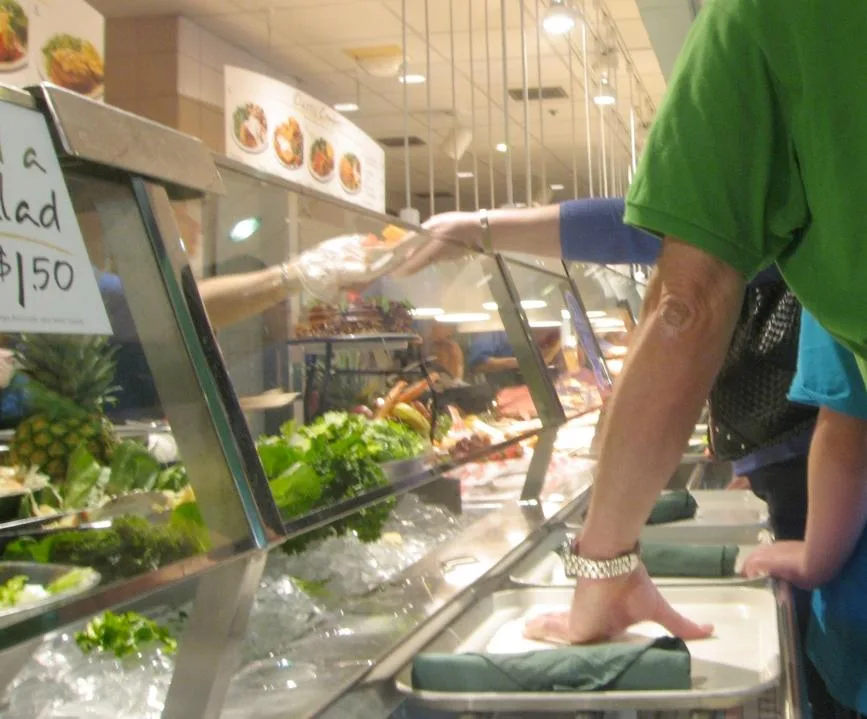
自助餐厅自助取餐台:仅靠重新排列食物位置即可助推选择

第 2 页

Nudge

  • Thaler and Sunstein define a nudge as altering people’s behavior in a predictable way without significantly changing their economic incentives Ø Libertarianism
    • Be free to do what they like Ø Paternalism Ø Libertarian paternalism
    • 自由(主义)的温和专制主义

Case 1

“Don't Mess With Texas”警示牌:以反垃圾标语助推不乱扔垃圾

第 3 页

Case 2

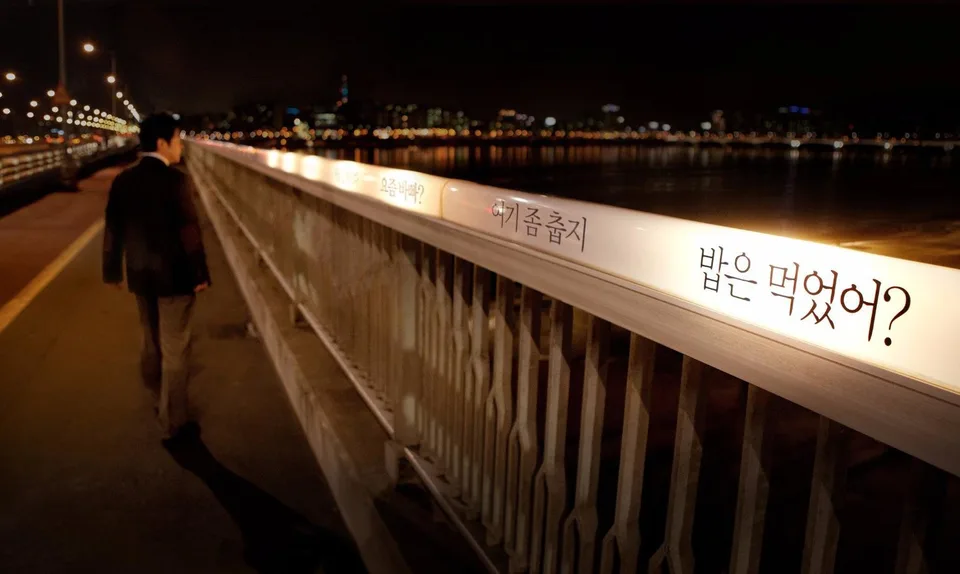
夜间行人天桥(首尔麻浦大桥自杀干预助推案例)

第 4 页

麻浦大桥相关助推宣传画面(KSPO 等公共机构合作宣传)

More public issues

  • Obeying traffic rules
  • Smoking
  • Low carbon consumption
  • Obesity
  • Short sight
第 5 页

Decision Architecture

  • Organize the context in which people make decisions
  • An effective design enables people to easily focus on the right things and make meaningful evaluations.
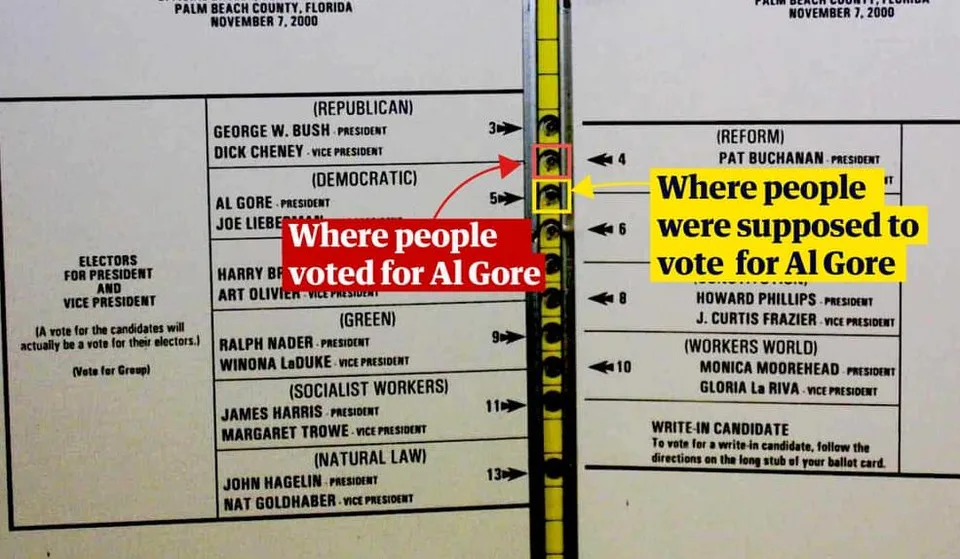
2000 年美国大选“蝴蝶选票”:选票排版(选择架构)误导了部分选民

第 6 页

How we think: 2 systems

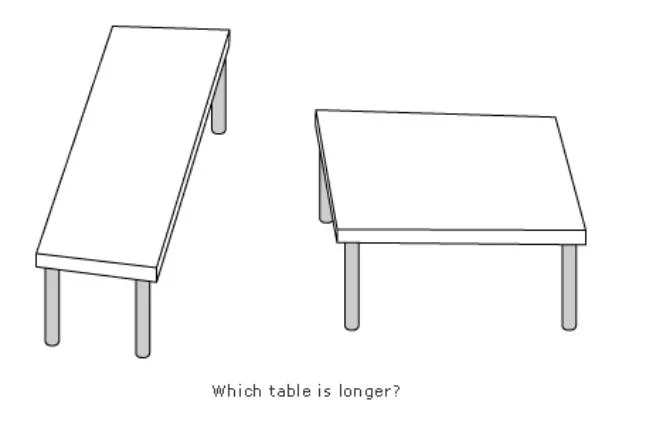
“哪张桌子更长?”视错觉:直觉系统快速给出答案,反思系统才会度量

两个系统对照:

Automatic System(直觉系统)Reflective System(反思系统)
Fast(快)Slow(慢)
Unconscious(无意识)Conscious(有意识)
Effortless(不费力)Effortful(费力)
Doer(行动者)Planner(计划者)
Uncontrolled(不受控)Controlled(受控)
第 7 页
  • 光滑的门板让人们推门,门上有把手使人产生“拉门”的倾向。
  • 球拍与球总价 1.1 元,球拍比球贵 1 元,问球拍的价格?
  • 请说出文字的颜色:红 绿 白。

When do we need nudges?

  • When we see the benefits now, costs later.
  • When encountering decisions we make infrequently.
  • When feedback is not immediate.
  • When it is hard to imagine the possible outcomes.
第 8 页

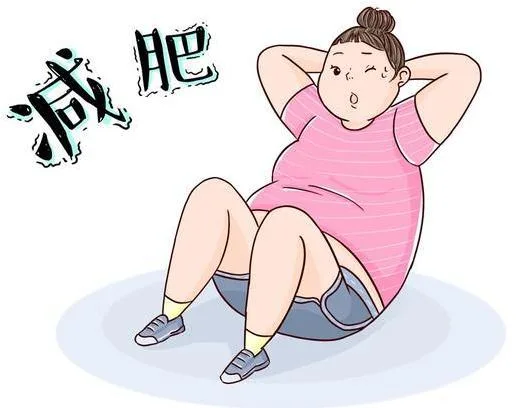
Benefits now / Costs later(收益在当下、成本在未来)。
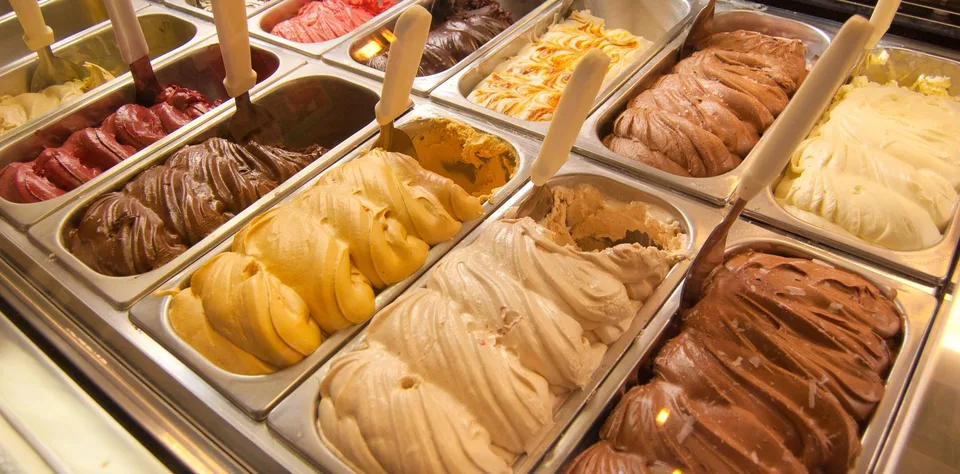
冰淇淋自助:当下的味觉享受(benefit now)

减肥卡通:远期的健康代价(cost later)

Human’s actions are predictable

  • We have predictable mental biases.
    • Anchoring Bias: We are heavily biased by where we start.
    • Status Quo Bias: We rarely overcome inertia(惯性/惰性).
    • Availability Bias: We overestimate the likelihood of events we can easily remember.
    • Representativeness Bias: We sometimes see patterns where there are none.
    • Unrealistic Optimism: Almost all of us think we are better than average.
第 9 页

01 · 概念界定

锚定效应:从初始值出发,但调整不足。

锚定是估计未知数量时,从一个初始值出发进行调整的认知倾向。不同起点会产生不同估计,并使最终判断偏向最初看到的数值。

“Different starting points yield different estimates, which are biased toward the initial values” —— Tversky & Kahneman(1974)

判断链条:① 初始数字进入视野;② 围绕锚点进行修正;③ 调整不足,估计偏向锚点。

政府中的绩效数字与大数据,是否也会成为公共决策者设定标准时的“锚”?既有研究已在绩效评估、晋升建议、法律判断、谈判与经济估值等场景中观察到锚定效应。

资料来源:Bellé, Cantarelli & Belardinelli(2018),Prospect Theory Goes Public: Experimental Evidence on Cognitive Biases in Public Policy and Management Decisions,Public Administration Review,pp. 830–831。

02 · 实验设计

实验 6:同一道决策题,只替换一个数字锚。

样本与分组:600 名意大利公共部门员工与管理者;调查时间:2016 年 6—7 月,共 5 轮。实验 6 有效样本:545;低锚组 228 人,高锚组 317 人。注:第一波低锚情境文字有误,作者剔除了 55 份相关回答。

决策情境:你是某中型市政府公共关系办公室的高级经理,需要决定下属回复公民电子邮件的最长工作日数。随机分配后,先回答一个带数字锚的问题。

  • 低锚组(2):上限应高于还是低于 2 个工作日?
  • 高锚组(90):上限应高于还是低于 90 个工作日?

随后,两组回答同一问题:最长回复期限应设为多少个工作日?

资料来源:Bellé, Cantarelli & Belardinelli(2018),Table 1(p. 832)与 Table 2(p. 833)。

第 10 页

03 · 结果与启示

结果:高锚把建议的回复期限抬高约 68.5%。

组间差异 +21.8 天 = 高锚组均值 − 低锚组均值。

  • 低锚组:31.82 天(N = 228;SD = 54.81)
  • 高锚组:53.62 天(N = 317;SD = 53.07)

差异显著:p 值 < .001。图 3:按锚点分组的最长回复期限均值;误差线为 95% CI。

管理启示:制定服务时限、绩效标准或预算基准时,先看到的数字可能改变标准本身,制度设计需要意识到这种系统性偏差。

资料来源:Bellé, Cantarelli & Belardinelli(2018),Experiment 6 与 Figure 3,p. 835。DOI: 10.1111/puar.12960。
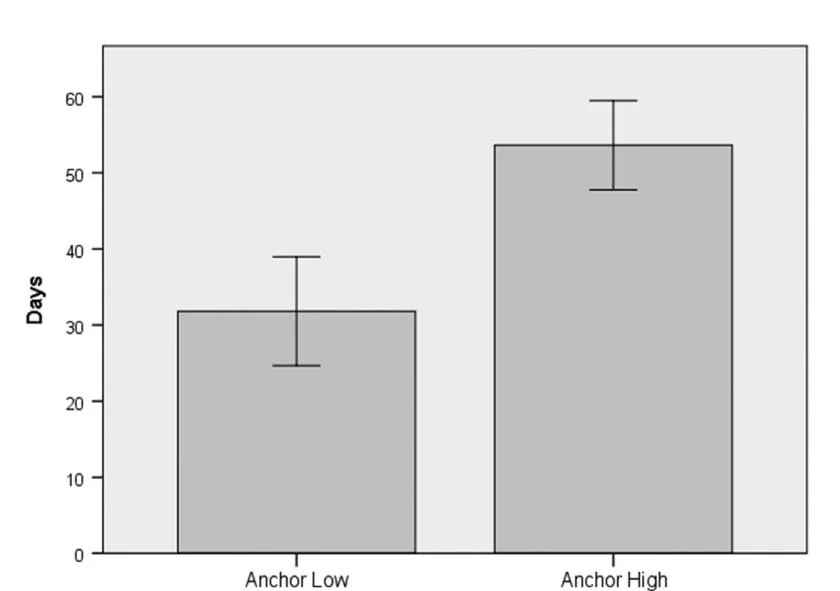
图 3:低锚组(31.82 天)与高锚组(53.62 天)建议最长回复期限均值,误差线为 95% CI

第 11 页

Status quo bias

  • first introduced by researchers William Samuelson and Richard Zeckhauser in 1988.
    • people preferring that things stay as they are or that the current state of affairs remains the same.
    • 90 年代初,New Jersey 和 Pennsylvania 要改革汽车保险,给保民们两个选择,A. 贵的,但是赔偿高,权利多,B. 便宜的,赔偿低,权利有限。两州给保民的这两个选择内容都差不多。
  • 在 New Jersey,贵的那种是 default,结果改革后,75% 保民选了贵的。
  • 在 Pennsylvania,便宜的那种是 default,所以改革后大部分人选的还是便宜的那种。

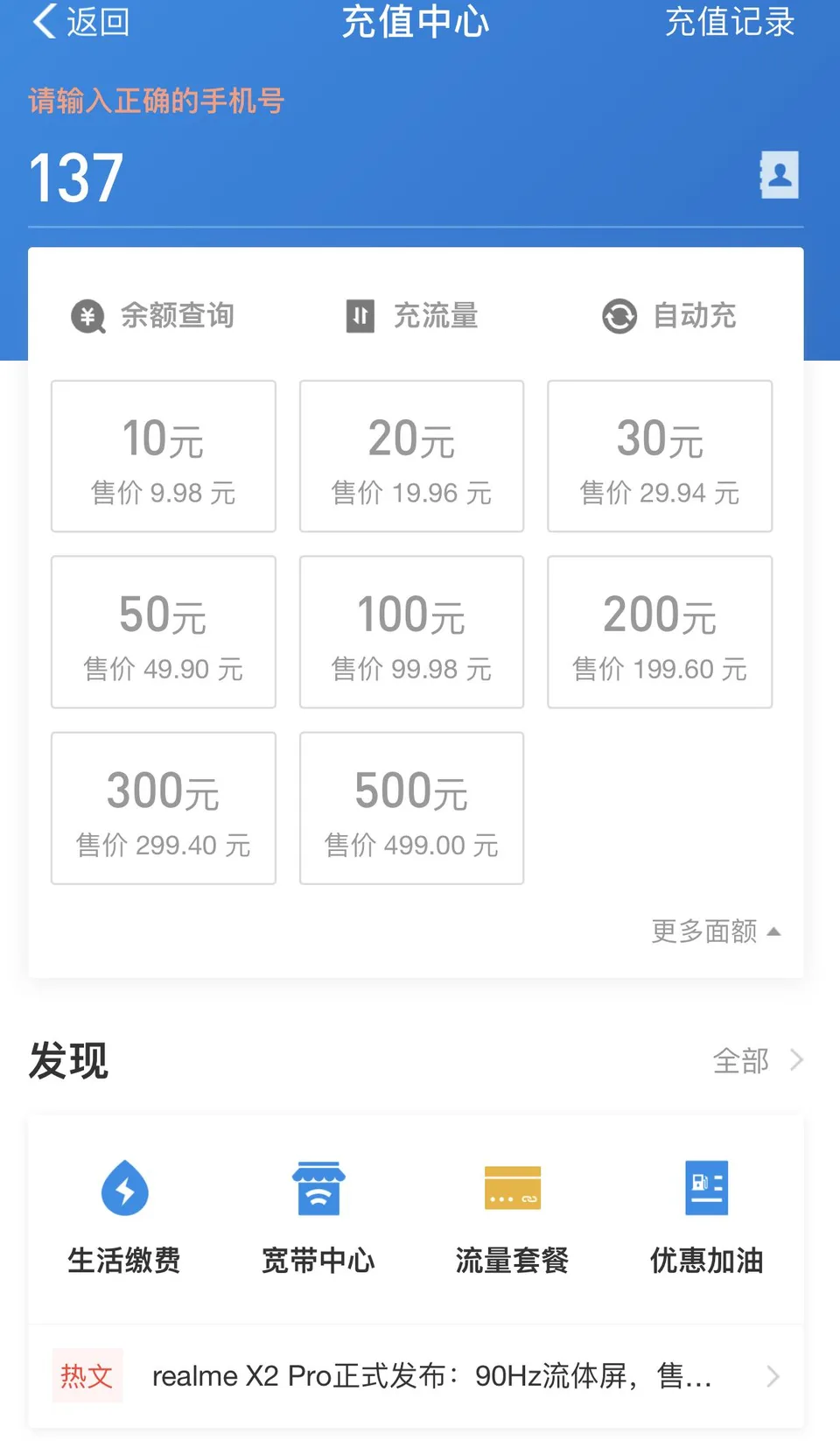
手机充值中心界面:默认推荐档位(10/20/30 元)作为选择架构的默认项示例

第 12 页

01 · 概念界定

安于现状效应:备选越多,越倾向不行动。

当可行替代方案增加时,决策者反而更可能维持现状。即使新方案可能更优,更多选择也可能带来冲突、延迟与不作为。——据本文 Status Quo 部分译写,亦称为“多重替代效应”。

选择如何被拖延:① 可选方案从一个变成多个;② 比较成本与选择冲突上升;③ 推迟选择,停留在当前方案。

经典证据:CD 播放器实验中,增加一个高端型号后,推迟购买的比例从 34% 升至 46%。谢林的例子:面对两套百科全书难以取舍,最终一套也没买;若只有一套,他本会购买。

资料来源:Bellé, Cantarelli & Belardinelli(2018),Status Quo 部分,p. 831;Tversky & Shafir(1992)。

02 · 实验设计

实验 8–9:把可替代方案从一个增加到两个。

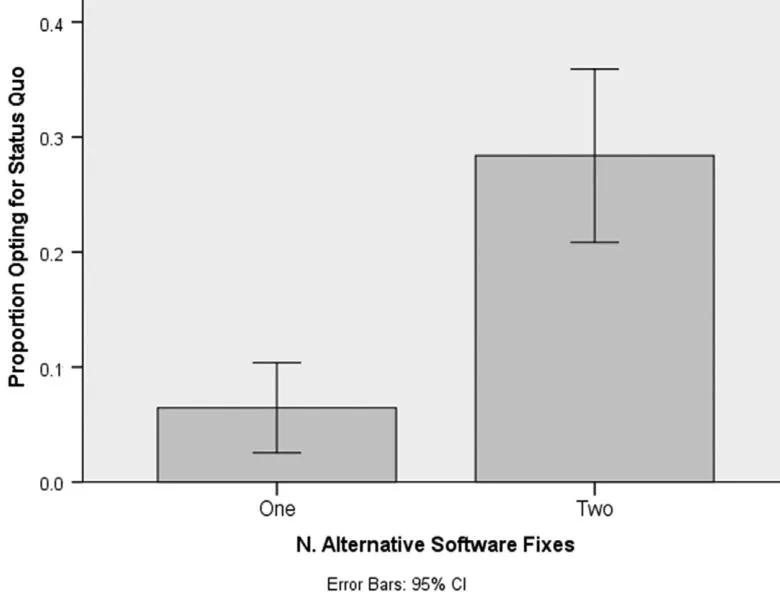
共同设置:600 名意大利公共部门员工与管理者。实验 8:一个替代承包商组 235 人;两个替代承包商组 263 人。实验 9:一个修复方案组 155 人;两个修复方案组 141 人。

实验 8 · 是否续约现有软硬件承包商:现有承包商之外,市场分析发现一个或两个可行替代者;更换承包商需要时间和文书工作。一个替代方案:Omega,服务略好,成本相同。两个替代方案:Omega 同上;Sigma,服务相当,成本略低。

实验 9 · 是否直接发布新的招标:工资软件故障,现任承包商多次未能修复;招标发布前,IT 部门提出一个或两个可能有效的修复程序。一个修复程序:尝试可能耗时并造成延误。两个修复程序:选择更多,但行动冲突也更强。

资料来源:Bellé, Cantarelli & Belardinelli(2018),Table 1(p. 832)与 Table 2(p. 833)。

第 13 页

03 · 结果与启示

结果:两个替代方案提高维持现状的发生比。

核心发现:

  • 1.78×:实验 8,两个替代承包商——选择续约现有承包商的发生比,是一个替代方案组的 1.78 倍。
  • 5.74×:实验 9,两个修复方案——仍直接发布招标、不尝试修复的发生比,是一个修复方案组的 5.74 倍。

(实验 8:继续选择现有承包商,横轴替代承包商数量、纵轴选择现状比例;实验 9:不尝试修复而直接招标,横轴可用修复程序数量、纵轴维持原定招标行动比例;误差线为 95% CI。)

管理启示:增加备选方案并不必然促进更换供应商或采取行动;方案数量本身也可能诱发拖延与维持现状。

资料来源:Bellé, Cantarelli & Belardinelli(2018),Experiments 8–9 与 Figures 5–6,pp. 835–836。DOI: 10.1111/puar.12960。
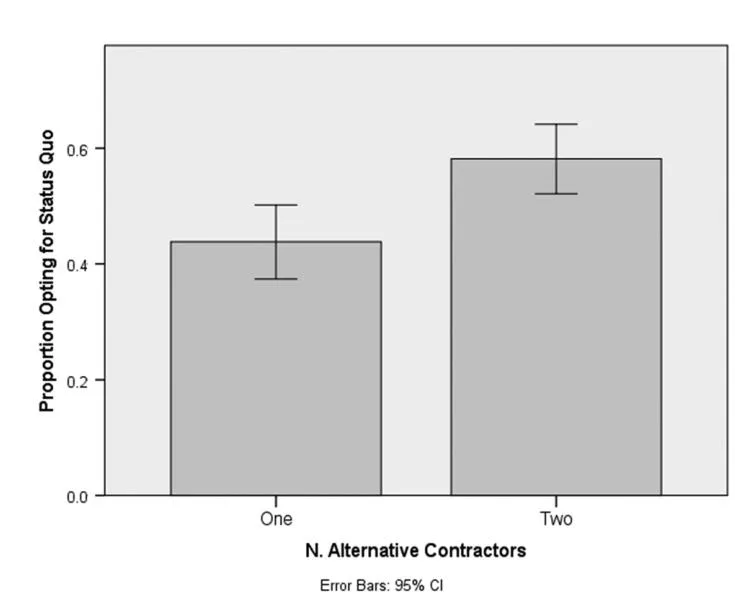
实验 8:替代承包商数量与继续选择现状的比例

实验 9:可用修复程序数量与维持原定招标行动的比例

第 14 页

Availability Bias

  • We are much more scared of vivid and easily imagined threats (like plane crashes or tornadoes), than we are of ordinary but much more common dangers (like asthma attacks).
    • We are 20x more likely to die of asthma attack than tornado, so if we were purely rational, we’d be 20x more scared of asthma than tornadoes.
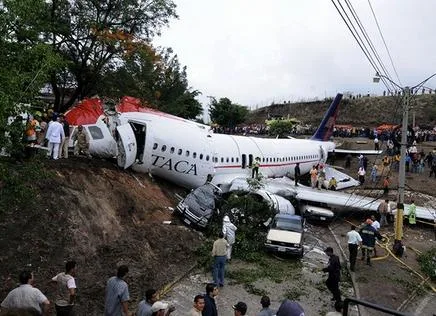
空难现场:生动、易想象的威胁让人过度恐惧

第 15 页

Representativeness Bias

  • Based on the beauty pageant contestants you’ve seen in the media lately, you might think that ALL of them are dumb as a post. (That’s not true.)
  • If you wore your old hat during two games which your team won, you might assume that it’s a lucky hat, and that if you don’t wear it during the next game, your team will lose. (Sorry, there’s no connection.)

选美比赛参赛者:媒体曝光让我们以为“都很笨”,其实并非如此

第 16 页

Unrealistic Optimism

  • In one study the authors conducted, 90% of their students predicted they would finish in the top 2 percentiles in their class.
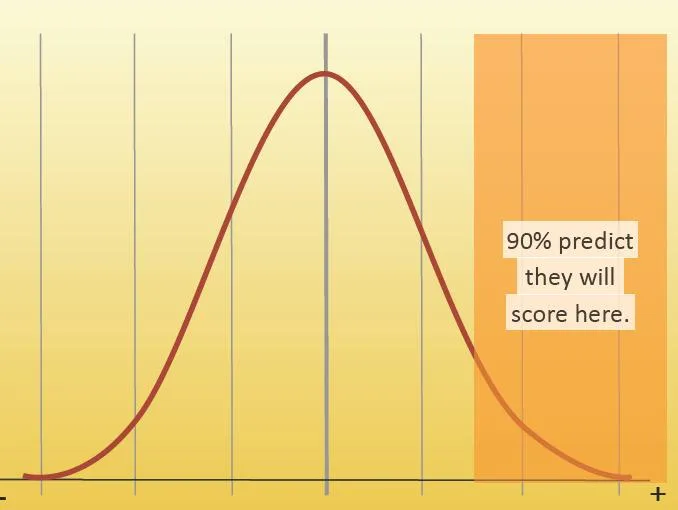
多数人高估自己:正态分布曲线与“90% 的学生预测自己名列前茅”

第 17 页

冲浪主题简笔画(过于自信与乐观的生活隐喻)

冲浪者:人们总以为自己比平均水平更安全、更幸运

第 18 页
  • 劳东燕讲述,自己在 10 月 1 日接到电话,对方声称是电信服务商的工作人员,说她名下另外有个手机号,一直向加拿大公民发送虚假广告,如果她不申诉并获取警方的立案报告的话,就要断掉她当前在本地办理的手机电信服务。
  • 为取得劳东燕的信任,对方在电话里报了自己的姓名、工号还有处理该事项的文件号,之后说给她转接广州公安局的电话。随后,有一位自称是广州市公安局民警的男子声称要给她做笔录,按规定要录音录像,还与她确认是否是在单独的房间,房间里有无他人,并要求她开摄像头。
  • 从劳东燕所了解的电诈案件来看,如果犯罪分子拿到受骗人的姓名、手机号、身份证和人脸识别的视频,基本上受骗人银行账户里的钱,对方就能如入无人之境那般转走。去年发生过好几起这样的案件,诈骗分子利用银行人脸识别系统的漏洞,同时截获了手机的验证码,转走被害人账户里的存款。

https://mp.weixin.qq.com/s/JSdFShw_0FlvcHUXlHo8tA
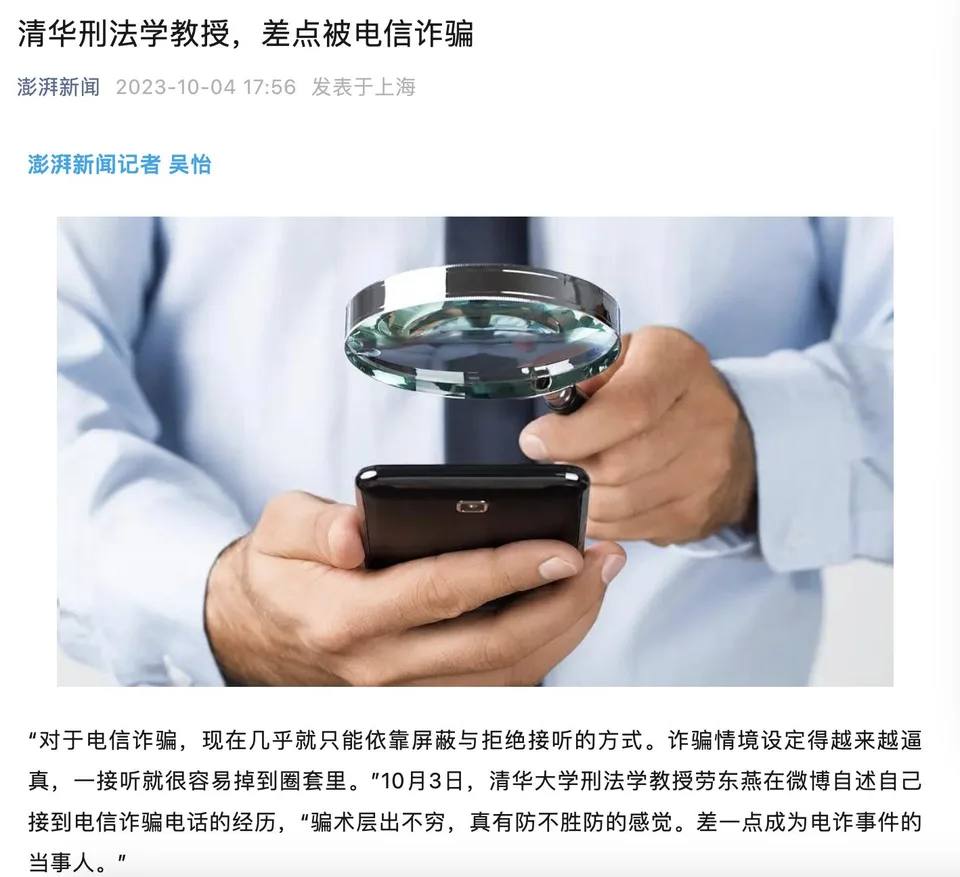
“清华刑法学教授险被电信诈骗”相关新闻截图

第 19 页

How to achieve a good choice architecture

  • iNcentives
  • Understand “mappings”
  • Defaults
  • Give Feedback
  • Expect Error
  • Structure Complex Choices
第 20 页

Understand “mappings”

  • Mappings means how we translate data about an option into what it actually means for us
    • like translating kilowatts of energy into dollars on the electricity bill
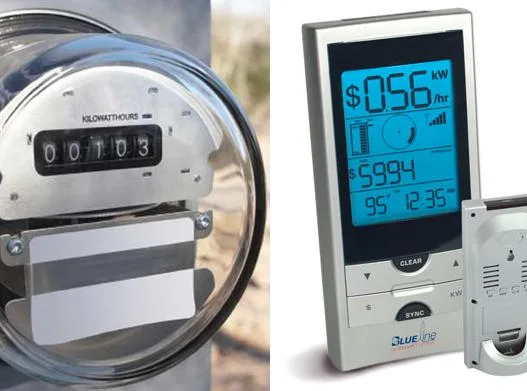
把用电量即时换算为金额的电表/气表设备

第 21 页

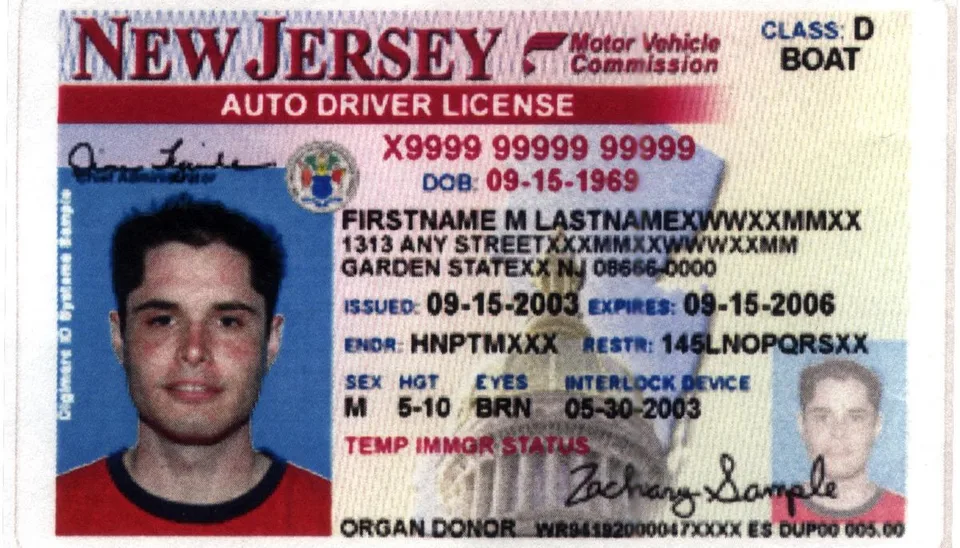
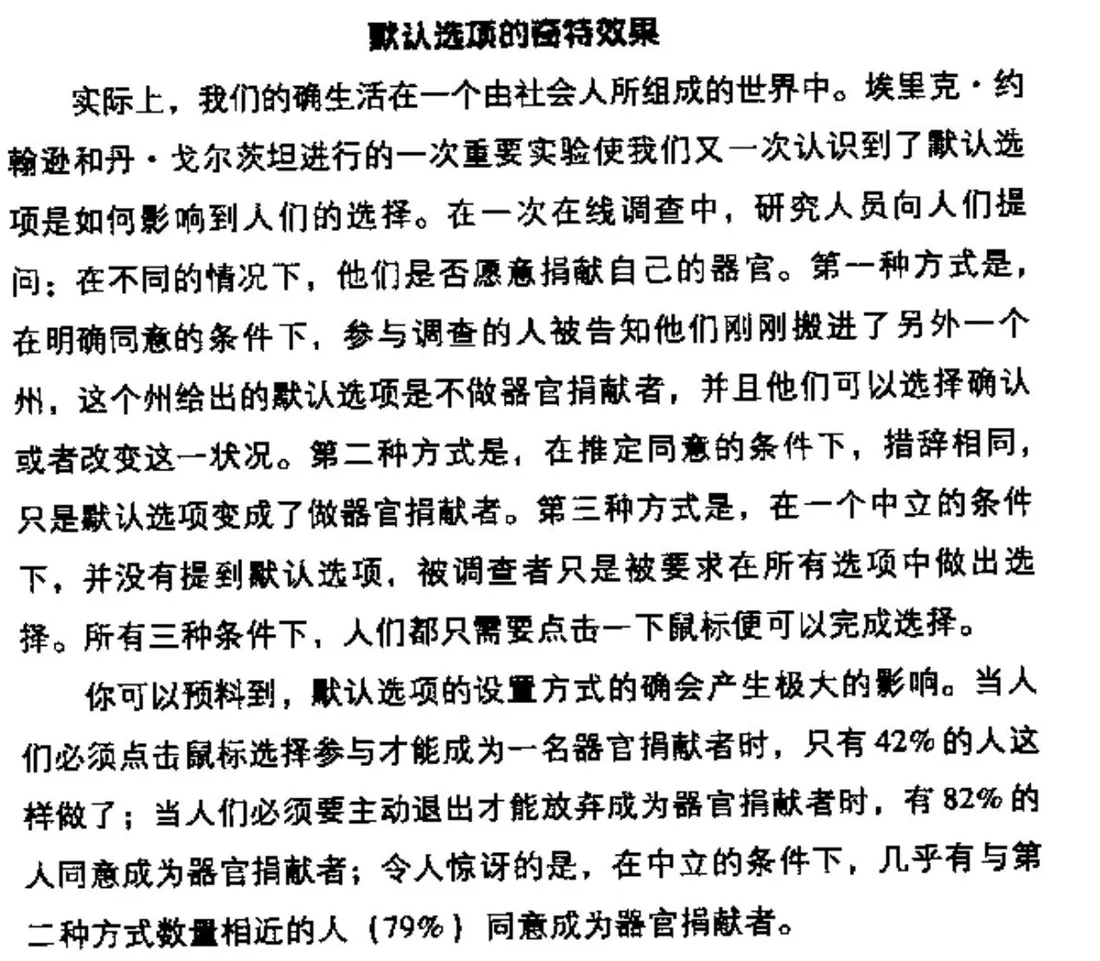
Default

新泽西州驾照上的器官捐献默认勾选(Default)示例

第 22 页

默认选项的奇特效果:器官捐献在线调查三种默认方式下的同意比例(明确同意42%、推定同意82%、中立条件79%)书页

Default

  • Large railroad Europe made small change to its website so seat reservations would be included automatically with ticket purchases (at an added cost of 1-2 Euros), unless the customer unchecked a box on the online booking form.
    • Before: 9% tickets including reservations
    • After: 47% tickets including reservations
  • Earning railroad an additional 40 million annually
第 23 页

Feedback

  • This device is designed to give you feedback about your energy usage as you are using it. It is also mapping your usage to money, targeting your loss aversion, and it plans to tap into vast social pressures by broadcasting your usage statistics to Facebook and Twitter.
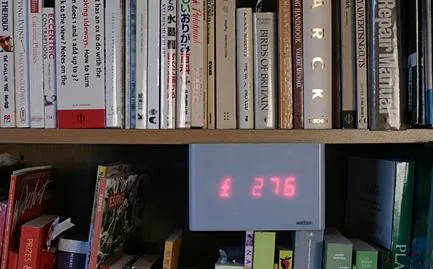
书架与电价计量屏:把使用量即时反馈给用户

第 24 页

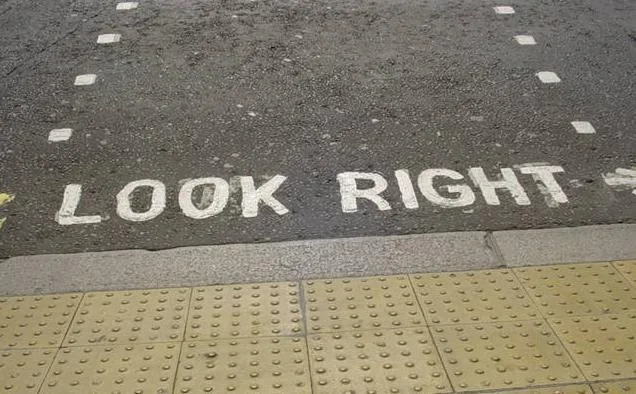
Expect Error

  • Make plan for the errors

路面上的“LOOK RIGHT”提示:为行人看错方向这一常见错误预先设计提示

第 25 页
返回首页返回「决策理论与方法」